
When does ovulation occur? A comprehensive guide
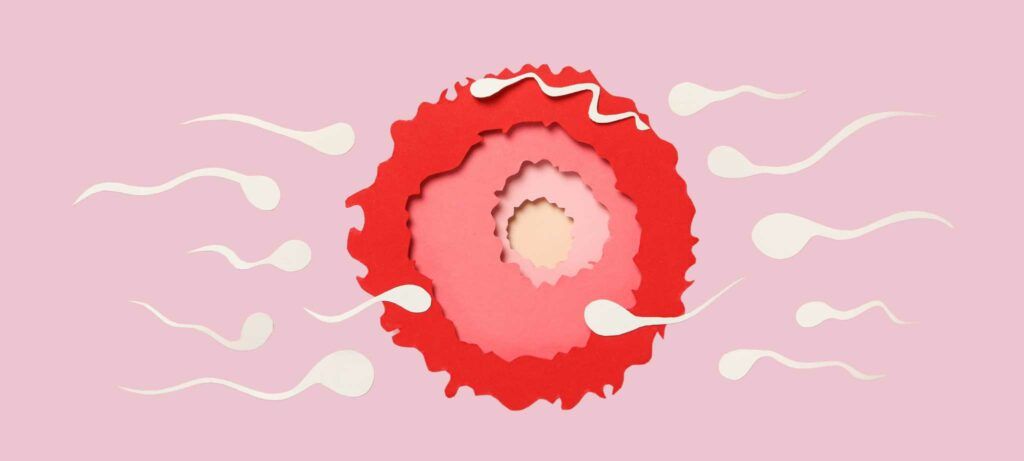
Ovulation is a key part of the female menstrual cycle. During ovulation, a mature egg is released from the ovary. This egg travels through the fallopian tube, where it awaits fertilisation. If it meets a sperm cell, fertilisation can take place, leading to pregnancy.
When does ovulation occur?
Many people believe that ovulation always takes place on the 14th day of the cycle. But that’s a myth!
Ovulation can vary and depends on the length of the individual’s menstrual cycle. Typically, it occurs around 12 to 16 days before the start of the next period. This means:
- For a 28-day cycle: around the 14th day
- For a 24-day cycle: around the 8th–12th day
- For a 35-day cycle: around the 19th–23rd day
Signs of ovulation
Your body sends out various signals that can help you recognise when you’re ovulating.
Cervical mucus
Cervical mucus changes throughout your cycle. Around the time of ovulation, it becomes:
- Clear
- Stretchy
- Similar to raw egg white
This change makes it easier for sperm to reach the womb.
Cervix
The cervix also changes. Shortly before ovulation, it becomes softer, rises higher and opens slightly. You can feel these changes.
Basal body temperature
Basal body temperature is your body’s temperature at rest. After ovulation, it rises by around 0.2 to 0.5 degrees Celsius. If you take your temperature regularly, you can notice this rise and thus confirm that ovulation has taken place.
Why does ovulation vary?
Ovulation is subject to natural fluctuations. The following factors can influence the timing:
- Stress – Stress can delay or shift ovulation
- Illness – Fever and infections affect the temperature curve
- Inadequate energy intake – Being underweight or following extreme diets
- Hormonal imbalances – e.g. in PCOS
How can I determine when I’m ovulating?
The NFP method
The best way to determine when you’re ovulating is to observe your body’s signs using the NFP method. You monitor:
- Your basal body temperature every day
- Your cervical mucus every day
The ovolution app automatically analyses these signs according to the Sensiplan® rules.
Ovulation tests
Ovulation tests measure the rise in luteinising hormone (LH) in your urine, which spikes sharply just before ovulation. However, these tests are not always reliable:
- In about half of all cycles, there are double or multiple peaks
- In 23% of cases, the LH peak occurs only after ovulation
Conclusion
Ovulation does not always take place on the 14th day of the cycle – it can vary. However, your body sends clear signals. By closely observing your bodily signs using the NFP method, you can reliably determine your fertile days.